


-

Add: HeBei ShengShi HongBang Cellulose Technology CO.,LTD.
-

Email
13180486930@163.com -

CONTACT US
+86 13180486930




Retained Hydroxypropyl Methylcellulose (HPMC) has long been a cornerstone in various industrial and pharmaceutical applications, offering versatile properties that enhance product formulations, consistency, and performance. The recent discontinuation of certain retained HPMC products has sparked concern and curiosity among businesses and consumers who relied on its unique benefits. This article delves into the implications of this discontinuation, offers alternatives, and discusses the broader impact on industries that heavily utilized these products. Retained HPMC is renowned for its exceptional ability to control moisture, serve as a thickening agent, and sustain the stability of emulsions and suspensions. Its non-toxic, inert properties have made it a popular choice in the pharmaceutical industry for coating tablets, controlling drug release , and even in topical formulations. The construction sector also values HPMC for enhancing the workability of mortar and cement products, reducing water retention, and promoting adhesive properties. The discontinuation of retained HPMC products can be attributed to several factors, including shifts in market demand, advancements in technology, and changes in regulatory standards. For instance, increasing scrutiny over synthetic additives and a growing push for more sustainable, biodegradable alternatives have influenced manufacturers to reconsider their product lines. Furthermore, innovations in biopolymers and natural thickeners are providing effective substitutes that align with contemporary consumer preferences for eco-friendly ingredients. Businesses reliant on retained HPMC must now explore alternative solutions that can offer comparable performance characteristics. One promising substitute is cellulose ethers derived from natural sources, which maintain the desirable properties of HPMC while addressing environmental concerns. These alternatives minimize ecological impact and align with the industry's movement towards more sustainable practices. Moreover, professionals working in R&D departments are tasked with reformulating products to adapt to the absence of retained HPMC. This presents an opportunity for embracing innovation, as new formulations can potentially outperform traditional ones not just in terms of efficacy, but also in meeting regulatory standards and consumer expectations. Collaborative efforts across industries may foster the rapid development and acceptance of suitable replacements, thereby maintaining product integrity and customer satisfaction. retaine hpmc discontinued For industries such as pharmaceuticals and construction, the transition away from retained HPMC products necessitates thorough testing and validation processes to ensure the quality and safety of new formulations. This requires increased investment in R&D and robust collaboration with suppliers who can provide consistent, high-quality alternative ingredients. The discontinuation also highlights the importance of future-proofing product development to anticipate market shifts and regulatory changes. Companies that invest in adaptable, innovative solutions position themselves advantageously to navigate potential disruptors, ensuring long-term resilience and competitiveness. Engaging with regulatory bodies, industry groups, and consumer feedback can offer valuable insights and guide the development of high-performing alternatives. While the phase-out of retained HPMC products may pose challenges, it also paves the way for forward-thinking companies to lead the charge in sustainable innovation. By embracing this change, industries can not only sustain their operations but also contribute to broader environmental goals and enhance their reputation as conscientious, responsible market players. In conclusion, the discontinuation of retained HPMC products necessitates a strategic pivot towards sustainable alternatives. Through embracing innovation, rigorous testing, and cross-industry collaboration, companies can effectively navigate this transition. This approach ensures that businesses remain competitive and responsive to evolving market demands and regulatory landscapes, all while contributing positively to environmental sustainability.
- 40000tons

Production
- 20+years

Experience
- 5000+㎡

Acreage

-
Rubber powder is a valuable material derived from the recycling of used tires and rubber products. Its transformation into fine particles creates a versatile product with a wide range of applications. One of the most notable advantages of rubber powder is its sustainability. By recycling old rubber, it reduces the environmental impact of tire waste and repurposes it for practical use in various industries. The use of rubber powder spans multiple sectors, including construction, automotive, and sports industries. It is commonly used as an additive in asphalt for road construction, offering increased durability and performance. Additionally, rubber powder is used in playground surfacing, providing a soft, shock-absorbing surface that is safe for children. Its durability and cushioning properties make it an essential material for improving the safety and longevity of various surfaces. As environmental concerns continue to rise, the demand for rubber powder has increased, as it provides a solution to managing rubber waste while offering benefits to different industries. The application of rubber powder is not only eco-friendly but also cost-effective, making it a preferred choice for manufacturers looking for sustainable materials. China Factory Rubber Powder: A Leading Supplier for Global Markets When it comes to sourcing high-quality rubber powder , China remains one of the largest and most efficient producers. The China factory rubber powder industry has grown rapidly due to its advanced recycling technologies and production capabilities. These factories are equipped with state-of-the-art machinery and processes that allow them to produce rubber powder in various grades and specifications to meet the diverse needs of international markets. The China factory rubber powder offers competitive pricing, making it an attractive option for businesses around the world. The ability to produce large quantities at low costs helps drive down the price of rubber powder , which benefits industries that rely on this material for production. China’s factories also have a well-established supply chain, ensuring that rubber powder can be delivered to customers in a timely manner. Moreover, Chinese manufacturers often provide customization options for rubber powder , allowing customers to specify the size, texture, and composition of the powder to suit their unique requirements. This flexibility makes China a go-to destination for businesses looking to source high-quality rubber powder at a competitive price. Rubber Powder Grinding Machine: Key to Efficient Production The production of rubber powder relies heavily on the use of a rubber powder grinding machine , which helps break down larger pieces of rubber into fine particles. These machines play a critical role in ensuring that the rubber is processed to the required consistency for various applications. Whether the powder is to be used in construction materials, coatings, or automotive products, the rubber powder grinding machine ensures that the end product meets quality standards. The rubber powder grinding machine uses advanced grinding techniques to process scrap rubber efficiently. These machines are designed to handle large volumes of material while producing consistent, fine rubber powder. Some models even incorporate air-flow or cryogenic grinding methods, which help preserve the integrity of the rubber and improve the quality of the final product. In addition to the grinding capabilities, the rubber powder grinding machine is built for durability and longevity, reducing the need for frequent maintenance. This is especially important for large-scale operations where continuous production is required. The machine also offers a high level of control over particle size and texture, making it ideal for producing rubber powder that meets specific industry needs. Recycled Rubber Powder Price: Affordable and Sustainable The recycled rubber powder price is one of the most attractive aspects of this material, especially when compared to the cost of virgin rubber or other raw materials. The price of recycled rubber powder is influenced by factors such as the quality of the rubber, the type of processing used, and the scale of production. However, despite these variables, recycled rubber powder price remains relatively affordable, particularly when purchased in bulk. The affordability of recycled rubber powder makes it an ideal choice for industries looking to reduce costs while maintaining high-quality standards. For example, in the construction sector, recycled rubber powder can be mixed with other materials to produce durable and cost-effective asphalt for roads. In sports applications, it is used for synthetic turf, track surfaces, and safety mats, providing excellent performance at a lower cost than alternative materials. Additionally, as the demand for sustainable products grows, the recycled rubber powder price has become even more competitive, with producers offering bulk discounts and incentives for large orders. Businesses looking to incorporate more eco-friendly materials into their products can benefit from the cost-effective nature of recycled rubber powder , while also contributing to the reduction of rubber waste. Uses of Crumb Rubber Powder: An Essential Material for Multiple Applications The uses of crumb rubber powder are incredibly diverse, making it a valuable commodity for several industries. One of the most popular uses of crumb rubber powder is in the creation of rubberized asphalt for road construction. This type of asphalt is more durable and resistant to wear, making it ideal for high-traffic areas. The inclusion of crumb rubber powder in asphalt also improves its ability to withstand extreme temperatures, reducing the need for frequent maintenance and repairs. Another common application of crumb rubber powder is in playground and sports surface construction. The powder is used to create shock-absorbing surfaces that reduce the risk of injuries during play or athletic activities. In addition, crumb rubber powder is used in the production of synthetic turf, creating a more durable and long-lasting product that mimics the look and feel of natural grass. In the automotive industry, crumb rubber powder is used as a component in tires, where it helps to enhance durability and performance. Additionally, it can be found in various rubber-based products, such as mats, seals, and gaskets, where it adds strength and resilience. As the demand for eco-friendly materials continues to grow, the uses of crumb rubber powder will only expand, offering a sustainable solution to industries that rely on rubber products. China F actory R ubber P owder FAQs What is rubber powder? Rubber powder is a fine material made from recycled rubber, often derived from used tires. It is processed into small particles and used in various applications, including construction, automotive, and sports industries. Where can I buy China factory rubber powder? You can buy high-quality China factory rubber powder from a wide range of suppliers online. Many suppliers offer customization options, allowing you to choose the specific size and composition of the powder you need for your project. What is a rubber powder grinding machine? A rubber powder grinding machine is a piece of equipment designed to break down larger pieces of rubber into fine particles. It plays a crucial role in ensuring that the rubber is processed to the desired consistency for various applications. How much does recycled rubber powder cost? The recycled rubber powder price varies depending on factors such as quality, processing methods, and order volume. However, it is generally considered an affordable material, especially when purchased in bulk. What are the uses of crumb rubber powder? The uses of crumb rubber powder are diverse, including applications in asphalt for road construction, playground and sports surfaces, automotive products, and synthetic turf. It provides durability, shock absorption, and enhanced performance in these industries. For more information or to order rubber powder for your projects, visit our website today and explore the wide range of products we offer.
-
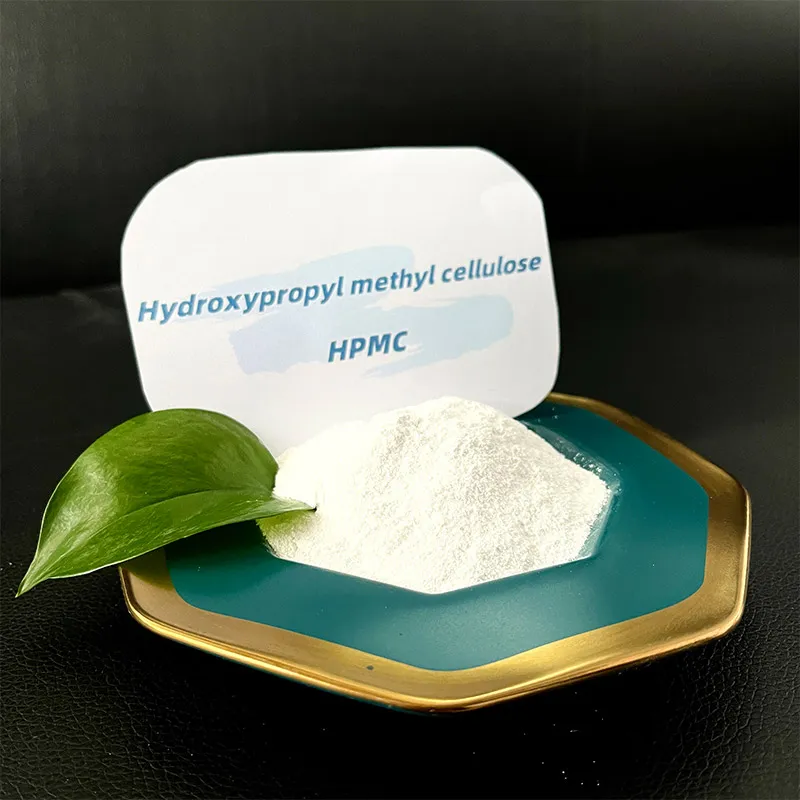
On the previous day, the technical team of the company convened at the office to conduct a comprehensive experimental demonstration focusing on Hydroxypropyl Methylcellulose (HPMC). This session was meticulously organized to showcase the exceptional high viscosity properties of HPMC, a critical attribute that underlines its versatile applicability across various industries. The demonstration aimed to provide stakeholders, including researchers and potential clients, with a clear understanding of how HPMC performs under specific conditions, emphasizing its efficacy as a thickening, binding, and stabilizing agent. Throughout the event, the technical personnel engaged in detailed discussions and hands-on presentations, illustrating the various methods of integrating HPMC into formulations and processes. The outcomes highlighted not only the material's effectiveness in enhancing product consistency and texture but also its role in improving the overall performance of formulations across diverse applications. By meticulously examining the high viscosity characteristics, the team aimed to solidify the company’s position as a leader in supplying innovative and reliable solutions tailored to meet industry demands. This demonstration serves not only as a platform for knowledge sharing but also as a strategic initiative to foster collaboration and build stronger partnerships with entities that rely on advanced materials. The insights and data gathered during this session will contribute to ongoing research and development efforts, ultimately facilitating the introduction of new products that harness the unique benefits of HPMC. Overall, the successful execution of this experiment underscores the company's commitment to technological advancement and excellence in service delivery, thereby reinforcing its reputation in the market as a trusted provider of specialty chemicals and materials. We specialize in high-quality cellulose products that cater to a diverse range of industries and applications. Our extensive experience in the field allows us to provide you with a seamless export experience, characterized by reliability and excellence. Our team is dedicated to working closely with you to understand your specific needs and requirements, ensuring that we deliver products that not only meet but exceed your expectations. We believe that a successful business relationship is built on trust, transparency, and mutual growth, and we are here to provide you with the necessary support and guidance every step of the way. Whether you are looking to enhance your product line or expand your market reach, our cellulose products are designed to add value to your offerings. Don't hesitate to reach out to us; we are eager to assist you and discuss how we can work together to achieve your business goals. Together, we can reject the pitfalls of traditional manufacturing processes and embrace a future defined by quality and integrity in all our products. Welcome to our community of excellence, where your success is our priority!
advantages
-

200000 Viscosities
Excellent product
We can produce pure products up to 200,000 viscosities
-

40000 tons
High yield
We don’t stop production all year round, and the annual output can reach 40,000 tons
-

24 hours
Quality service
We provide 24-hours online reception service, welcome to consult at any time
———— Inquiry Form
Schedule A services

-
 methylcellulose_eye
Oct . 25, 2025
When it comes to tile installation in high-moisture areas such as bathrooms, kitchens, and outdoor e -
 hpmc_medical
Oct . 25, 2025
Hydroxypropyl Methylcellulose (HPMC) is a versatile and essential ingredient in the cosmetics indust -
 hidroksimetil_selulosa
Oct . 25, 2025
Hydroxypropyl methylcellulose (HPMC) has become an integral component in the construction industry,


